After Midnight: Inside the West Coast's Thriving Afterparty Scene Where Careers Are Made
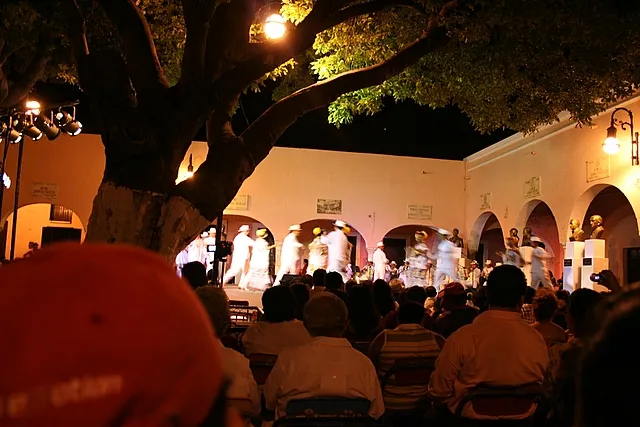
Photo: Steven Depolo, CC BY 2.0, via Wikimedia Commons
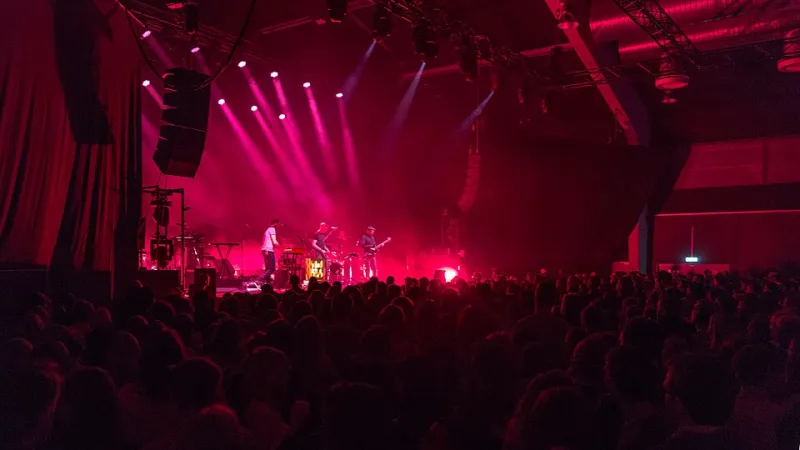
The headliner has taken their final bow. The general admission crowd is filtering out into the cool night air. For most people, the night is over.
But for a certain subset of West Coast music culture — the DJs, the promoters, the artists-on-the-come-up, and the die-hard fans who know where to look — the real evening is just beginning.
A Scene That Runs on Electricity and Word of Mouth
The West Coast afterparty circuit isn't something you'll find advertised on Ticketmaster. It lives in group chats, on private Instagram stories, and in the whispered conversations that happen in the back half of a venue's green room. A warehouse in South LA. A rooftop bar in SoMa. A converted garage in Portland's Alberta Arts District that somehow fits 150 people and a full sound system.
These spaces operate outside the traditional concert economy — and that's precisely what makes them so potent.
"There's a different energy when the pressure of the main show is off," says DJ and promoter Keisha Ramos, who runs a rotating late-night series called "Pacific Standard" out of venues across Los Angeles and Long Beach. "Artists take risks they wouldn't take on a big stage. Fans get access they'd never get at a festival. Connections get made that change careers."
Ramos isn't exaggerating. Over the past three years, her events have become an unofficial proving ground for emerging West Coast talent. More than a dozen artists who've performed at Pacific Standard nights have gone on to sign deals, land sync placements, or break through on streaming — often tracing their momentum back to a single late-night set where the right people were in the room.
The Economics Behind the Party
Here's what most people don't realize about the afterparty scene: it's not just a vibe. It's a business — and increasingly, a lucrative one.
The model varies by city and organizer, but the core mechanics are consistent. Promoters negotiate rev-share arrangements with venue owners, often for off-peak hours that would otherwise go dark after 11 p.m. Artists perform for smaller flat fees or door splits that, while modest individually, add up across a busy touring schedule. And DJs — who often anchor these events — build brand equity that translates into higher-paying bookings, residencies, and merchandise sales.
"My rate for a corporate event or a club residency has tripled in the last two years," says Marcus Thao, a DJ and producer based in Oakland who performs under the name Mako West. "And I can trace a huge chunk of that to the afterparty circuit. That's where the industry people see you. That's where you build the reputation that justifies the rate."
Thao has turned his late-night presence into a full ecosystem: a Patreon where fans pay for exclusive mixes and behind-the-scenes content, a limited merch line that drops after particularly buzzy nights, and a management deal that came directly from a promoter who caught one of his sets at 1:30 a.m. in a Fruitvale basement.
San Francisco, LA, Seattle: Three Cities, Three Flavors
The afterparty culture isn't monolithic across the West Coast — each city has its own distinct character.
In Los Angeles, the scene skews toward industry-adjacent events where the line between performance and networking is deliberately blurred. You'll find emerging R&B artists doing 20-minute sets in Echo Park backyards while A&R reps and playlist curators mill around with drinks in hand. It's calculated, but it works.
San Francisco and Oakland lean harder into the underground ethos. The Bay's afterparty circuit carries the DNA of its legendary rave and hyphy eras — events that prioritize community and artistic integrity over industry optics. These are spaces where artists experiment freely, knowing the room is full of people who genuinely love music rather than just transact around it.
Seattle occupies a fascinating middle ground. The city's afterparty scene has exploded in the last two years, partly driven by a younger generation of artists who came up during the pandemic and built tight-knit communities through virtual events that eventually went physical. The intimacy of those early Zoom listening parties translated directly into the close-knit energy of Seattle's current late-night spaces.
Building Community in the Margins
Beyond the economics, what keeps the afterparty circuit running — what gives it staying power — is community.
Regular attendees of these events describe something that's genuinely hard to find in the official concert economy: the feeling of being part of something before it becomes a thing. Of discovering an artist in a 75-person room and watching them graduate to 7,500-person venues. Of being known by the promoter, the DJ, the artist at the merch table.
"My most loyal fans didn't find me on Spotify," says Aaliyah Cruz, a singer-songwriter from Compton whose late-night circuit performances helped build the grassroots base that eventually supported a successful independent album release. "They found me at 2 a.m. in someone's backyard. That's a different kind of connection. Those people show up for everything."
For promoters like Ramos, cultivating that loyalty is both a personal mission and a smart business strategy. She's built a text list of over 4,000 people who receive event notifications before anything goes public — a direct line to her most engaged community members that no algorithm can disrupt.
The Risks Are Real
It would be incomplete to celebrate the afterparty economy without acknowledging its complications. Unpermitted venues face real legal exposure. Artists performing late-night sets in informal spaces often lack the worker protections that come with formal contracts. And the informal nature of these events can make them vulnerable to exploitation — promoters who underpay, venues that oversell capacity, and the constant threat of a noise complaint shutting everything down mid-set.
The most successful operators in this space are the ones who've figured out how to maintain the underground energy while professionalizing the infrastructure behind it — proper agreements, safety planning, and transparent financial arrangements with artists.
"You can keep the vibe and still run it right," Ramos says. "Those things aren't in conflict."
The Night Belongs to the Bold
The official music economy — the festivals, the arena tours, the algorithmic playlists — will always be the loudest part of the conversation. But on the West Coast, some of the most important music moments are happening in the hours after those conversations wind down.
In the spaces between midnight and 4 a.m., careers are being built, communities are being forged, and the next wave of West Coast artists is finding its footing — one late-night set at a time.