Small Rooms, Big Dreams: The DIY Venues Quietly Building the West Coast's Next Wave
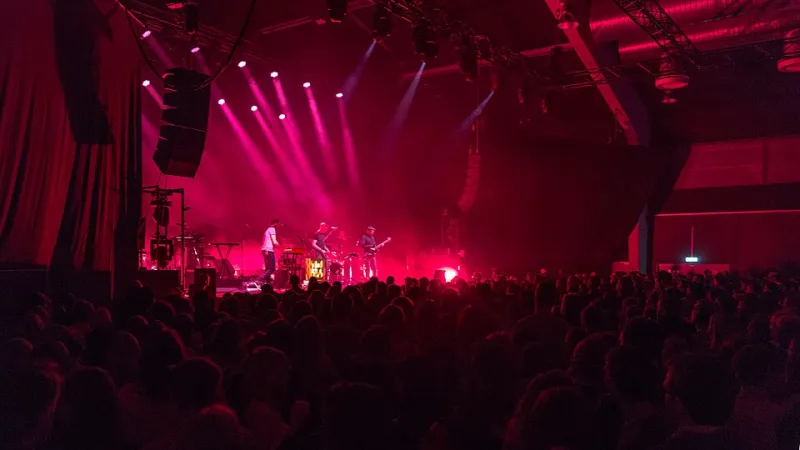
Photo: Martin Kraft, CC BY-SA 3.0, via Wikimedia Commons
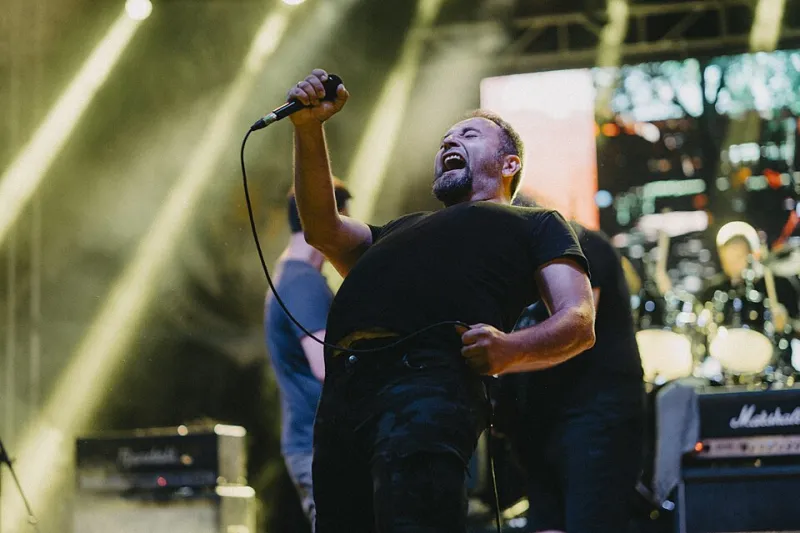
Forget the algorithm. Forget the festival lottery. Some of the most exciting music happening on the West Coast right now isn't being discovered on a Spotify playlist or a Coachella side stage — it's unfolding in a converted auto shop in East LA, a dimly lit art gallery in Capitol Hill, and a 150-cap room in Portland's Alberta Arts District that smells faintly of cedar and spilled IPA.
There's a quiet infrastructure at work here. An underground network of venue owners, promoters, and community organizers who've decided that waiting for the industry to catch up is a waste of everybody's time. They're building their own lanes — and in doing so, they're fundamentally changing what it means to "make it" on the West Coast.
The Spaces That Started It All
Talk to anyone deep in the LA underground scene and you'll hear the same handful of names come up. Spaces like The Smell in Downtown LA — a storied all-ages, no-alcohol venue that's been a launching pad for left-field artists for over two decades — set the template. No corporate sponsors. No guest list politics. Just music and the people who love it.
But a new crop of venues is carrying that torch into the 2020s with fresh energy. In Oakland, spaces like The New Parish and a rotating cast of warehouse collectives have become essential incubators for Bay Area hip-hop, experimental electronic, and Afrobeat-inflected sounds that don't fit neatly into any one box. "We're not trying to be a stepping stone to somewhere bigger," says one Oakland-based promoter who books a monthly series out of a shared art space in Fruitvale. "We're trying to be the destination."
Up the coast, Portland's scene has long punched above its weight. The city's mid-size venues — Mississippi Studios, Holocene, and the beloved Doug Fir Lounge — have cultivated a reputation for genuinely supporting artists rather than just booking them. But it's the smaller, less-publicized rooms that are doing the heavier developmental work. Basements, back patios, and gallery spaces in neighborhoods like Albina and Montavilla are hosting experimental nights where an artist can try something new without the pressure of a 500-person crowd.
Seattle's Living Room Scene
Seattle deserves its own paragraph. While the city's legacy is forever tied to grunge and the legendary Sub Pop sound, today's scene is something else entirely — more diverse, more genre-fluid, and increasingly community-driven. Venues like Barboza and The Crocodile's back bar have become reliable homes for emerging indie acts, but the real energy is coming from the city's "living room show" culture.
Private home concerts, pop-up loft events in SoDo, and gallery takeovers in Capitol Hill are giving artists direct access to engaged, intimate audiences in a way that no traditional venue can replicate. One Seattle-based singer-songwriter who's been playing the circuit for three years put it plainly: "I learned more about performing in someone's living room in front of 30 people than I did opening for bigger acts at a 1,000-cap venue. The connection is just different."
What Makes These Spaces Work
The common thread running through all of these venues isn't square footage or sound system quality — it's intentionality. The people running these rooms are deeply invested in the scenes they're serving, often at significant personal financial cost.
Many operate on razor-thin margins, relying on door splits, merchandise cuts, and the occasional crowdfunding campaign to keep the lights on. Some have gotten creative with hybrid models, doubling as art galleries, coffee shops, or community event spaces during off-hours to subsidize the music programming.
What they offer artists in return is something money can't fully buy: real estate for experimentation. A place to fail safely, to find your footing, to build a local fanbase that actually cares about you before you're trying to fill rooms in cities where nobody knows your name yet.
"The mainstream pathway is broken for a lot of artists," says a promoter who runs a monthly series at a gallery space in San Francisco's Mission District. "The streaming numbers don't translate to income, the festival slots go to whoever already has the numbers, and touring is prohibitively expensive. What we're trying to do is create an alternative infrastructure — something local, something sustainable."
The Ripple Effect
It's working. Artists who cut their teeth in these spaces are starting to show up in bigger rooms — not because they chased the industry, but because the industry eventually came looking for them. The credibility that comes from years of grassroots gigging, from building a fanbase one sweaty small-room show at a time, is something that can't be faked.
More importantly, these venues are creating cultural scenes that extend beyond music. Visual artists, filmmakers, fashion designers, and chefs are all orbiting the same community spaces, cross-pollinating in ways that make the creative output richer and harder to categorize. It's the kind of fertile, chaotic creative energy that historically produces the movements people write about years later.
So next time you're scrolling through ticketing apps looking for something to do this weekend, consider going a little deeper. Check the flyers stapled to telephone poles. Follow the local promoter who posts about shows at 11pm. Show up to the gallery opening that's also somehow a listening party.
The West Coast's next wave isn't waiting to be discovered. It's already happening — in the small rooms, on the side streets, in the spaces that were never meant to be famous.
Check our Events section regularly for updates on emerging venue spotlights and local show listings across California, Oregon, and Washington.