Dig Deep: Why West Coast Artists Are Mining Their Own Archives for the Next Big Drop
There's a moment in every West Coast artist's career when the pressure to stay current starts feeling less like fuel and more like a weight. New single, new rollout, new algorithm to crack. It never stops. But lately, a different kind of move is gaining serious traction up and down the coast — and it doesn't involve writing a single new bar.
Call it sonic archaeology. Call it the vintage drop. Whatever you call it, it's real, it's growing, and it's quietly reshaping how independent artists think about their catalogs, their money, and their legacy.
The Vault Is Open
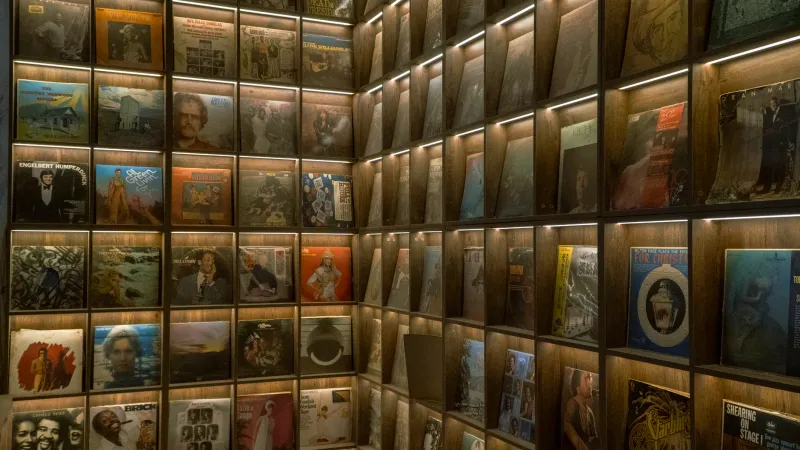
For years, the music industry treated back catalogs like dusty storage units — something you licensed out for a sync deal or sold off to a private equity firm if the money got tight. But artists who own their masters are starting to see their archives differently: as living, breathing assets with untapped commercial and emotional power.
Long Beach-based producer and multi-instrumentalist Marcus Delray released a remastered edition of his 2014 debut EP last spring. The project had never made it to streaming platforms — it existed only on Bandcamp and a limited CD run. When he finally uploaded the remastered version with liner notes, archival photos, and a short documentary about the recording sessions, it outsold anything he'd released in the past three years.
"People who discovered me in 2020 had no idea that record existed," Delray says. "But when they heard it, they lost their minds. It filled in the story. It made them feel like they found something real."
That sense of discovery is exactly the point.
Remaster, Reimagine, Re-Release — Pick Your Lane
Not every artist is doing this the same way, and that's what makes the trend so interesting. There are at least three distinct approaches emerging from the West Coast scene right now.
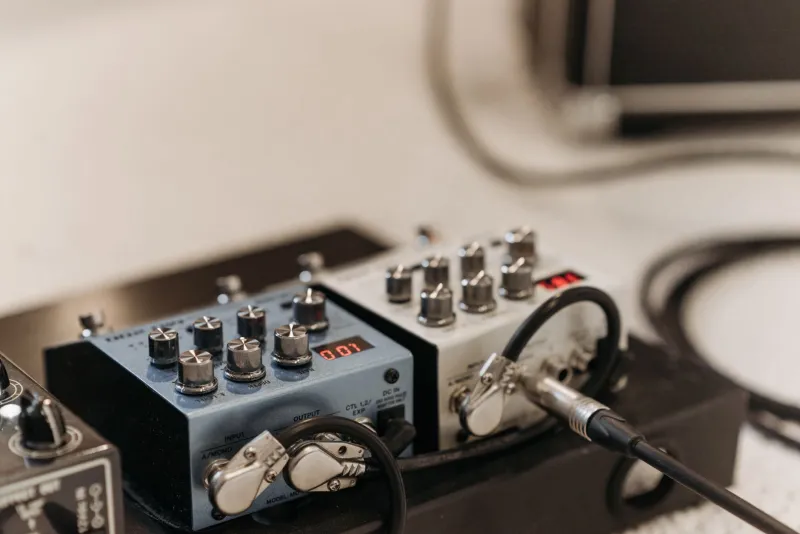
The first is the straight remaster — taking older recordings and running them through modern production tools to give them sonic clarity without changing the artistic DNA. Oakland rapper Tierra Voss did this with her 2011 mixtape, working with an independent audio engineer in Emeryville to clean up the lo-fi roughness while keeping the rawness intact. "I didn't want to erase where I came from," she says. "I just wanted people to actually be able to hear it."
The second approach is the reimagined edition — where artists collaborate with newer producers or musicians to flip their old material into something that bridges past and present. Think of it like a remix album, except it's your own catalog you're sampling. San Diego singer-songwriter Priya Castillo recently dropped an acoustic reimagining of her 2016 R&B project, stripping the production back to just voice and guitar. The result felt both nostalgic and brand new, and it introduced her to a completely different audience.
The third lane is the archival drop — unreleased material, session recordings, demo versions, and rarities that give superfans a behind-the-curtain experience. This is where things get genuinely exciting for collectors and die-hards. Seattle producer collective Fogline Collective released a limited vinyl run of unreleased instrumentals from a 2009 recording session, paired with handwritten session notes and vintage photography. It sold out in 48 hours.
The Business Logic Is Airtight
Let's be honest — part of why this trend is catching fire is because creating new music is expensive, time-consuming, and increasingly hard to cut through with. Re-releasing catalog material, especially when you already own the masters, is comparatively low-cost with potentially high returns.
"You're not starting from zero," says Camille Okafor, an independent music consultant based in Los Angeles who works with several mid-career West Coast artists. "The recording is done. The songwriting is done. You're investing in packaging, mastering, maybe some archival research — and then you're selling something that already has an emotional connection built in."
Okafor points out that streaming royalties on catalog material have also gotten more attention since platforms like Spotify restructured their payout models. Older tracks that were once buried can suddenly generate meaningful income if they're properly distributed, tagged, and promoted. "A remaster with a proper marketing push can take a song from a few hundred streams a month to tens of thousands," she says. "That math adds up fast."
For artists who've been in the game long enough to have real back catalogs, the timing feels almost perfect. Nostalgia is culturally dominant right now — Y2K aesthetics, early 2000s rap revivals, the whole vintage streetwear wave — and music fans are more interested than ever in excavating the roots of the artists they love.
More Than Money — It's About Legacy
But talk to the artists themselves, and the conversation quickly moves past the revenue side. There's something deeper happening here.
For many West Coast musicians, especially those who came up in the independent scene before streaming existed, a huge portion of their creative output simply never reached the audience it deserved. Albums that sold a few thousand copies locally. Mixtapes that circulated on burned CDs. Tracks that got regional radio play and then disappeared.
"I made music for fifteen years that just... lived in boxes," says Delray. "Going back through it and sharing it now feels like finishing something. Like closing a loop."
That sense of artistic completion resonates with fans too. In an era where parasocial relationships between artists and audiences run deep, giving people access to the full arc of a career — not just the polished present — builds a different kind of connection. It's vulnerable. It's honest. And it rewards the fans who've been riding since the early days while giving new listeners a way to go deep.
Archivists, Engineers, and the Unsung Heroes of the Vault
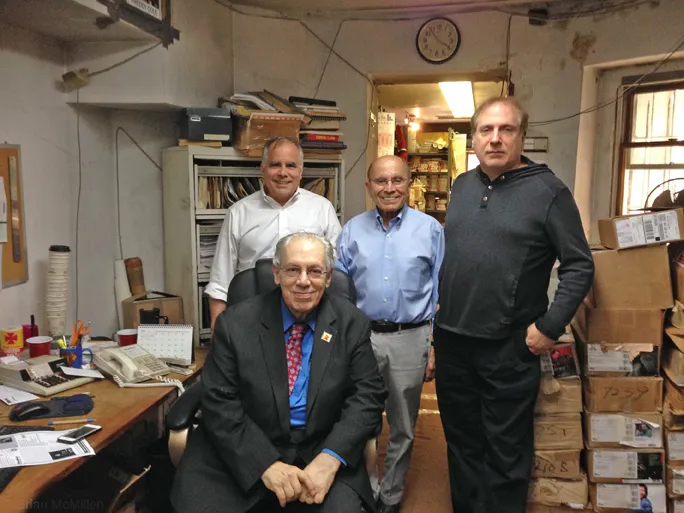
One underappreciated part of this movement is the ecosystem of specialists making it possible. Independent mastering engineers, music archivists, and even music historians are finding new demand for their skills as artists take catalog excavation seriously.
"I've had three artists come to me in the last year specifically to work on remaster projects," says Emilio Reyes, a mastering engineer based in Culver City. "Five years ago, that was almost never a conversation. Now it's a real part of what I do."
Reyes says the work requires a different mindset than mastering new material. "You're not trying to make it sound like it was recorded today. You're trying to honor what it was while making it accessible. That's a delicate balance."
The Scene Is Always Live — Even When It's Looking Back
What's happening with West Coast catalog culture right now is a reminder that forward motion doesn't always mean new. Sometimes the most powerful move is to look back, dig out what was real, and let it breathe again.
The artists doing this aren't retreating. They're reclaiming. They're building fuller narratives, smarter revenue streams, and deeper relationships with the people who care about their music. And in a landscape that constantly demands the next thing, there's something genuinely radical about saying — actually, what we already made is worth your time.
The vault is open. Go dig.