Exported but Not Forgotten: The Fight to Keep West Coast Music Real in a Global Market
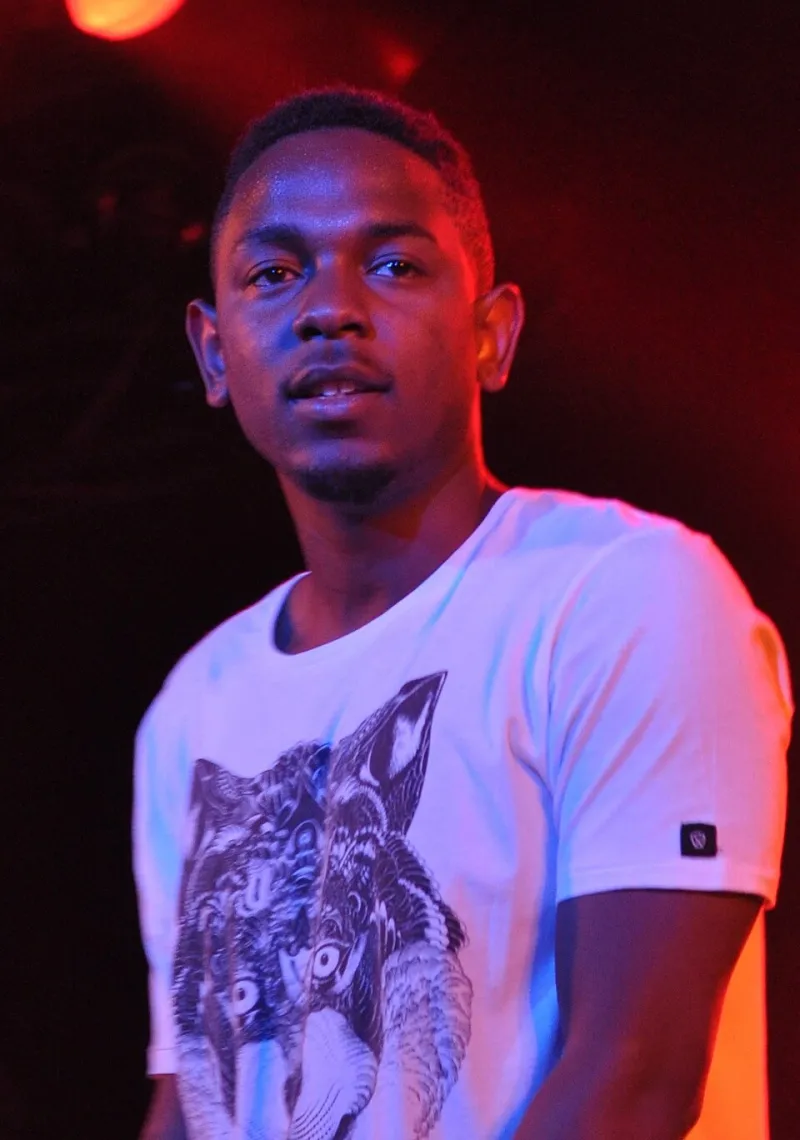
Photo: hds, CC BY 2.0, via Wikimedia Commons
There's a version of success that looks incredible on paper — streams in the tens of millions, sync deals with international brands, collaborators flying in from Stockholm and Lagos — and still somehow feels like a loss. Ask anyone deep in the West Coast music scene right now, and they'll tell you that tension is very real.
The West Coast sound has always traveled well. From the G-funk era bleeding into suburban bedrooms across America to hyphy making noise in places that had never heard of the Bay, this region has a long history of exporting culture. But what's happening right now is different. Streaming algorithms don't just distribute music — they reshape it. And the pressure to stay globally relevant is quietly rewriting what it means to sound like you're from here.
When the World Wants a Piece of the Wave
Long Beach-based producer Darius Melo has been making beats for over a decade, and he's watched the shift happen in real time. "The calls I'm getting now are different," he says. "Labels and managers are hitting me up because they want that West Coast feel — the low end, the laid-back pocket — but then in the same breath they're asking me to make it sound more 'universal.' And I'm like, what does that even mean?"
What it usually means, he explains, is softer. Less regional. More palatable for listeners who didn't grow up on DJ Quik or E-40 or Suga Free. The distinctive elements that make West Coast music immediately identifiable — the syncopated funk grooves, the conversational cadence in the verses, the way a track can feel like a slow cruise even when the subject matter is anything but relaxed — those things get smoothed out in the name of crossover appeal.
And here's the uncomfortable part: it works. Commercially, at least.
The Algorithm Doesn't Know Your Zip Code
Streaming platforms have fundamentally changed how music gets discovered, and not always in ways that serve regional identity. Playlist curators aren't thinking about cultural specificity — they're thinking about skip rates and completion percentages. A track that's too rooted in a particular place and time can actually get penalized, buried beneath music engineered to feel like it belongs everywhere and nowhere at once.
Compton-raised rapper and songwriter Yara Simms put it bluntly: "The algorithm rewards music that travels easy. But the stuff that travels easy usually doesn't hit the same way when you actually from somewhere. It's like the flavor gets cooked out."
Simms recently turned down a major co-writing opportunity with an overseas production house specifically because she felt the project was asking her to perform a version of West Coast culture rather than actually contribute to it. "They wanted the aesthetic without the roots. They wanted the vibe without understanding where the vibe comes from."
That distinction — between aesthetic and authenticity — is at the center of every conversation happening in studios and green rooms up and down the coast right now.
Collaboration or Colonization?
Not everyone sees international collaboration as a threat. Oakland producer and multi-instrumentalist Theo Vasquez has built a career on cross-cultural exchange, working with artists from West Africa, the UK, and South Korea. For him, the question isn't whether to collaborate globally — it's about who holds the creative pen when the session starts.
"I've done sessions where I came in as the West Coast guy and left feeling like I actually contributed something real," he says. "And I've done sessions where I could tell from jump that I was just there to add flavor to someone else's vision. You learn to tell the difference."
Vasquez argues that the problem isn't globalization itself — it's power dynamics. When West Coast artists and producers enter international collaborations from a position of creative authority, the results can be genuinely exciting, a real fusion that expands the sound without erasing it. But when they're brought in as cultural seasoning, the exchange stops being mutual.
"If you're just there to make someone's pop record sound a little more LA, that's a gig. That's fine. But don't call it a collaboration."
The Listeners Still Know
Here's something the industry conversations sometimes miss: the audience is paying attention. West Coast fans, particularly those who grew up with the music, have a finely tuned radar for when something doesn't feel right. The comments sections, the Twitter threads, the long voice notes getting passed around group chats — the community is constantly in dialogue about what's real and what's performance.
That community accountability is actually one of the things keeping artists honest, even as commercial pressure mounts. Inglewood-based rapper and label founder Marcus "Kev" Delaney has seen it firsthand. "You can't fake it with your own people. You put out something that sounds like you were chasing a trend and everybody knows. And they'll tell you. Loud."
Delaney has made a conscious choice to keep his releases rooted in hyper-local references — street names, neighborhood slang, specific cultural touchstones that won't mean anything to a listener in Berlin or Tokyo. And paradoxically, that specificity has become part of his appeal to international audiences. "People overseas actually love that it's real. They're not looking for a version of LA that's been cleaned up for them. They want the actual thing."
Holding the Line Without Building a Wall
The most nuanced voices in this conversation aren't arguing for isolation. Nobody's saying West Coast artists should stop making music for the world. The goal isn't to keep the sound locked in a box — it's to make sure the artists themselves are driving the car.
That means going into global opportunities with a clear sense of identity, understanding what's negotiable and what isn't. It means building teams — managers, A&Rs, lawyers — who understand the cultural stakes and not just the commercial ones. And it means having honest internal conversations about what success actually looks like.
Producer Darius Melo says he's started asking himself a simple question before he commits to any project: "Would the people who first believed in me recognize this? If the answer is no, I need a really good reason to keep going."
That's not nostalgia. That's accountability. And in a moment when the West Coast sound is more visible globally than it's ever been, that kind of accountability might be the most important thing keeping it worth exporting in the first place.
The world wants what the West Coast has. The only question is whether the West Coast gets to decide what that is.