Open Source, Open Doors: Why West Coast Artists Are Handing Their Beats to the Fans
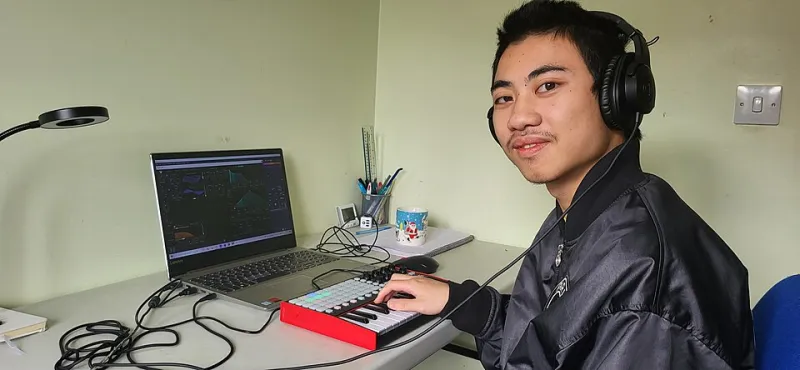
Photo: HowardXiong2026, CC BY 4.0, via Wikimedia Commons
There's a bedroom in Inglewood where a 19-year-old producer has been chopping up stems from her favorite Long Beach rapper for the better part of a month. She didn't bootleg them. She didn't rip them from a YouTube video. The artist dropped them himself — clean, labeled, ready to flip — alongside a simple message to his fans: Do something with this.
That's not a giveaway. That's a strategy.
Across the West Coast, a growing number of artists are deliberately releasing the raw materials of their music — isolated vocals, drum loops, synth layers, bass lines — into fan communities. What used to feel like giving away the keys to the car now looks more like building a whole new fleet together.
Stems as a Love Language
For a long time, the idea of releasing stems felt risky. You worked months on a track, carefully layering sounds, dialing in the mix, protecting the vibe — and then you just... handed it out? The music industry's traditional instinct was to lock everything down, watermark everything, litigate anything that moved.
But that instinct was built for a different era. Today's West Coast artists, especially those operating independently, are reading the room differently. Their fans aren't passive listeners anymore. They're producers, DJs, remixers, and content creators who want to participate in the music — not just consume it.
Releasing stems is how artists meet that energy. It's a signal that says: I trust you with this. You're part of what this is.
The emotional payoff is real, but so is the practical one.
The Economics Actually Work
Here's where it gets interesting. When an artist drops a remix pack, they're not just being generous — they're seeding an ecosystem that feeds back into their career.
Think about how this plays out. A fan producer in Sacramento flips a stem pack into something unexpected and posts it online. Their followers hear the original artist's voice in a completely new context. Some of those followers had never heard the original track. Now they're going back to find it. Streams go up. The artist's name spreads into new corners of the internet without a single dollar spent on advertising.
Some artists are going further, building formal remix contests with real stakes — cash prizes, features on official playlists, even co-release opportunities. An LA-based indie R&B artist who ran one of these contests last year ended up signing the winning producer to a production deal after the remix outperformed the original on SoundCloud. That's not a fluke. That's a pipeline.
And for artists who've set up proper licensing frameworks — platforms like Splice, Bandcamp's remix tools, or even simple Patreon-gated stem drops — there's direct revenue attached. Fans pay for access to the stems. The artist gets compensated. The fan gets to create. Everybody wins.
Control Isn't Gone — It's Redesigned
The biggest misconception about releasing stems is that you're surrendering artistic control. Artists who've actually done it will tell you the opposite is true.
When you curate which stems you release and how you release them, you're still directing the narrative. You're choosing the version of your sound that gets amplified. A vocalist might release her acapella but keep the production stems locked. A beatmaker might drop the drums and bass but hold the melody. The original track doesn't get diluted — it gets multiplied.
Some artists are even using stem releases as a way to road-test sounds before committing to a final version. Drop the stems, watch what fan producers do with them, and let the community's instincts inform where the next project goes. It's market research that also builds goodwill. Hard to beat that combination.
There's also a protective layer in doing this intentionally and publicly. When you've officially dropped remix materials with clear terms, you've established the creative origin story. No one can claim they stumbled into your sound. The lineage is documented.
Discovering the Next Wave
Beyond the economics and the control question, there's something happening culturally that's harder to quantify but maybe more important.
West Coast music has always had a deep tradition of community-built sound. From the way Compton producers passed beats around in the early '90s to the way Bay Area hyphy spread through mixtape culture, the scene has never been precious about collaboration. Stem releases are a digital extension of that same energy — the idea that the best music happens when more people get to touch it.
And the talent that's surfacing through these channels is real. Artists who actively engage with their remix communities talk about discovering producers they never would have found through traditional A&R channels. These are kids who don't have industry connections, who aren't on anyone's radar yet, but who clearly have it — and the stem release gave them the canvas to prove it.
For independent artists especially, that's a recruiting tool that costs almost nothing. You're not flying someone out for a studio session on a hunch. You're watching hundreds of producers work with your actual material and letting the results speak for themselves.
The Shift Is Already Happening
This isn't a fringe movement anymore. It's becoming standard practice among a certain tier of West Coast independent artists — particularly those who built their audiences online and understand that the relationship between artist and fan has fundamentally changed.
The artists leaning into stem culture aren't doing it because they have to. They're doing it because they've figured out that openness, done right, is a competitive advantage. It builds loyalty that algorithms can't manufacture. It creates content that spreads organically. It finds talent that scouts would miss. And it keeps the creative conversation going long after the release date has passed.
Back in that Inglewood bedroom, the remix is almost finished. The producer is about to post it. When she does, she'll tag the original artist, credit the stems, and add her own name to a growing list of collaborators who got their start because someone decided to open the session.
That's the West Coast remix renaissance in its purest form — not a transaction, but an invitation. And the artists who are extending it are building something that goes way beyond a single track.