Pass the Torch: How West Coast Music Legends Are Shaping the Artists Who Come Next
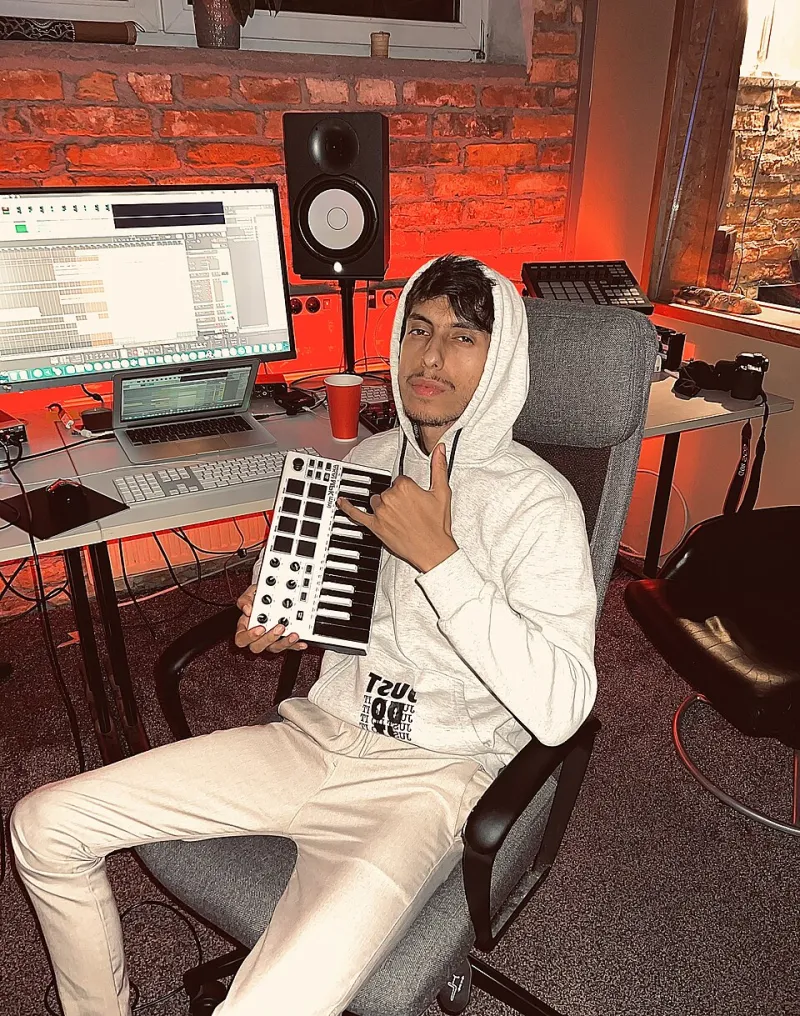
Photo: Finedy, CC BY-SA 4.0, via Wikimedia Commons
It started with a phone call that Yara Osei almost didn't answer.
The 21-year-old Oakland vocalist had been grinding the local open-mic circuit for two years when a number she didn't recognize showed up on her screen. On the other end was a Bay Area producer with two decades in the game — someone whose credits she'd studied in liner notes since high school. He'd seen a clip of her performing at a Fruitvale community showcase and wanted to talk.
"I thought it was spam," she laughs now. "I almost hung up."
She didn't. And that conversation turned into a two-year mentorship that reshaped her entire approach to songwriting, performance, and navigating an industry that can chew up talented artists before they ever find their footing.
Yara's story isn't unique. Across the West Coast — from the studios of Compton to the practice spaces of Capitol Hill in Seattle — a culture of intentional mentorship is quietly transforming what it means to come up in music out here. And the people doing the mentoring aren't just offering advice. They're opening doors, sharing hard-won knowledge, and in some cases, fundamentally changing the trajectory of careers that might otherwise have stalled.
Why Now? Why Here?
The question worth asking is whether this mentorship culture is genuinely different on the West Coast, or whether it just feels that way from the inside. Talk to enough people who've worked in multiple music markets, and a picture starts to emerge.
"I've spent time in New York and in Nashville, and the vibe is different here," says Camille Forde, a Los Angeles-based music attorney who has worked with independent artists for fifteen years. "There's more of a collaborative spirit. Less zero-sum thinking. Veterans here seem to genuinely believe that lifting up younger artists doesn't diminish what they've built — it adds to it."
Some of that ethos traces back to the community-first values embedded in West Coast hip-hop, where the concept of putting your city on has always been as important as individual success. Some of it comes from the indie and DIY scenes in Portland and Seattle, where small venues and collective spaces have long operated on mutual-aid principles. Whatever the origin, the result is a scene where knowledge-sharing feels more like a norm than an exception.
Seattle-based producer and multi-instrumentalist Devon Achebe, who has been running an informal mentorship program for young producers out of his Beacon Hill studio for the past three years, frames it simply: "Someone gave me time when I needed it. I'm just paying that forward. That's how this is supposed to work."
What Real Mentorship Actually Looks Like
It's worth being specific here, because "mentorship" can mean a lot of things — some of them genuinely transformative, others closer to a photo op.
The relationships that seem to matter most go well beyond industry networking. They involve real time, real feedback, and real stakes. Devon Achebe's studio sessions with emerging producers aren't masterclasses or workshops with a ticket price. They're working sessions where he sits alongside young artists, challenges their choices, and sometimes tells them things they don't want to hear.
"The most valuable thing I got from my mentor was honest critique," says Marcus Tillman, a 24-year-old producer from South Seattle who has been working with Devon for two years. "Not 'this is great, keep going.' But 'this section isn't landing, here's why, here's how I'd think about it.' That's the stuff you can't get from YouTube tutorials."
In Los Angeles, the mentorship dynamic often shows up in co-writing and studio collaboration — veterans inviting younger artists into sessions not as observers but as contributors. That access to professional creative environments, and the informal education that comes with it, is something no online course can replicate.
"You learn so much just from being in the room," says Yara Osei. "How people talk to each other, how decisions get made, how someone handles it when a session isn't working. That's an education you can't buy."
The Structural Side: Programs Doing the Work
Beyond individual relationships, several organizations and collectives are building more formal frameworks for this kind of knowledge transfer. In LA, community music nonprofits have been connecting professional musicians with youth programs in underserved neighborhoods for years. In the Bay, collectives like those operating out of West Oakland have created structured pipelines that move young artists from early development through to live performance opportunities.
Camille Forde recently helped launch a pro-bono legal clinic specifically for independent West Coast artists under 25 — because one of the most consistent gaps she saw was young musicians signing bad deals simply because they didn't have access to informed guidance at the right moment. "The talent was always there," she says. "What was missing was someone in their corner who understood the business."
The impact of these structures extends beyond individual careers. When more artists come up with real support systems, the overall quality and diversity of the scene rises. Promoters notice. Venues notice. The audience notices.
The Ripple Effect
What's striking about the mentorship culture taking shape on the West Coast is how self-reinforcing it's becoming. Artists who received meaningful guidance early in their careers are increasingly paying it forward — sometimes before they've even reached what most would consider "established" status.
Yara Osei, still in the early stages of her own career, already makes a point of showing up to open mics and offering genuine feedback to artists even younger than herself. "I'm not where I want to be yet," she says. "But I know what it felt like when someone took me seriously before I had any reason to expect it. I want other people to feel that."
That impulse — to extend the same generosity you received — is maybe the most honest definition of what a scene is. Not a geographic location, not a genre, not a playlist. A community of people who believe that what happens next matters, and who are willing to do something about it.
Out here on the West Coast, that belief is alive and working. And the music coming out of it is proof.