Scroll to Sold Out: The West Coast Artists Turning Viral Moments Into Packed Houses
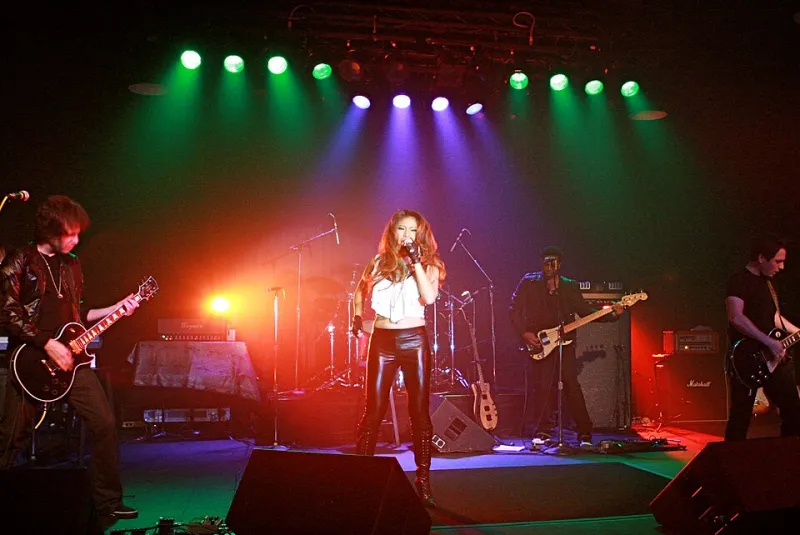
Photo: Ftishj35, CC BY-SA 4.0, via Wikimedia Commons
Last October, a 23-year-old singer-songwriter from Long Beach named Dani Reyes posted a 47-second clip of herself performing an unreleased song on her apartment balcony. No ring light. No professional audio. Just a voice, an acoustic guitar, and the kind of raw emotional delivery that makes strangers stop mid-scroll. Within 72 hours, the video had cleared two million views. Six weeks later, her first-ever headline show at a 300-cap venue in Silver Lake sold out in under four hours.
That kind of trajectory used to take years. Now, with the right content and the right timing, it can happen before an artist has even pressed their first vinyl.
But here's the thing — Dani's success wasn't an accident. And that's the story worth telling.
The Algorithm Is Not Your Manager (But It Can Help)
There's a persistent myth that going viral is a lightning-strike situation — random, uncontrollable, and impossible to replicate. Ask any West Coast artist who's actually converted online buzz into a sustainable live career, and they'll tell you something different.
"People think I just got lucky," says Marcus Webb, a Portland-based R&B producer and vocalist who built his following to 180K on TikTok before selling out a two-night run at Mississippi Studios last spring. "But I was posting consistently for eight months before anything really popped. I was studying what connected, what didn't, and adjusting. It's a craft, same as writing songs."
That intentionality is the throughline among West Coast artists who've figured this out. They're not chasing trends or doing whatever the platform rewards this week. They're building a recognizable aesthetic, a point of view, a reason for people to keep coming back — and then they're making sure those people know when and where to show up in person.
LA-based digital strategist Priya Sandoval, who works with independent artists across California, puts it plainly: "The artists who translate online numbers into ticket sales treat social media like a relationship, not a broadcast. They're talking with their audience, not at them. That intimacy is what makes someone actually want to be in a room with you."
Short-Form Content, Long-Game Thinking
The mechanics matter too. Artists who've cracked the live-show conversion puzzle tend to use short-form video — TikTok, Instagram Reels, YouTube Shorts — not just to showcase finished music, but to invite people into their creative process. Behind-the-scenes studio footage, vocal warm-up clips, even the messy moments where a song isn't quite working yet.
San Francisco-based indie pop duo Coastal Static started documenting their songwriting sessions in real time last year, posting unpolished clips of songs in various stages of completion. The approach felt counterintuitive at first. "We were basically showing people our rough drafts," laughs co-writer and vocalist Jade Tran. "But what happened was fans started feeling ownership over the songs. By the time we played them live, people already knew every word. The room felt like a community instead of an audience."
Coastal Static's debut headline show at The Chapel in SF sold out three weeks in advance. Their following at the time? Just under 40,000 across platforms. Modest numbers by influencer standards — but deeply engaged ones.
That distinction between reach and engagement is something promoters are increasingly paying attention to. "I've booked artists with a million followers who couldn't fill a 150-cap room," says Oakland promoter Deshawn Okafor, who runs a monthly showcase series called Frequency. "And I've booked artists with 30,000 followers who brought out 400 people. The difference is whether those followers are real fans or just passive scrollers. You can feel it in the comments, in the saves, in the shares."
The Credibility Question
One tension that comes up consistently in these conversations: how do you stay artistically credible while also playing the social media game? It's a real concern, and the artists who've navigated it best seem to share a common philosophy — don't let the platform dictate the art.
"I've never made a song because I thought it would do well on TikTok," says Marcus Webb. "But I have thought carefully about how I introduce a song online. There's a difference. The song is the song. How I frame it, how I tease it, how I let people into the story behind it — that's where I'm strategic."
Dani Reyes echoes that. The balcony video that launched her wasn't manufactured for virality — it was a genuine moment she decided to share. But she'd spent months building an audience that was primed to receive it. "The viral moment was real," she says. "But the foundation underneath it was built on purpose."
From the Feed to the Floor
Once the audience exists online, the bridge to live shows requires its own strategy. Most artists who've done this successfully point to a few key moves: announcing shows directly in content (not just in bios or links), creating event-specific content that builds anticipation, and making the live show feel like the ultimate payoff of the online relationship.
"Your live show has to deliver on the promise your content makes," says Priya Sandoval. "If your online presence is intimate and personal, your show needs to feel that way too. If it's high-energy and chaotic, bring that energy. The fans who show up have been watching you for months. They know you. Don't show up as someone different."
For a new generation of West Coast artists navigating an industry that looks nothing like it did ten years ago, that authenticity — maintained across every platform and every stage — might be the most powerful tool of all. The algorithm will keep changing. The fans who actually love what you do? They'll follow you anywhere.
Even into a sold-out room on a Tuesday night in Silver Lake.