Crates, Community, and Culture: How West Coast Record Shops Became the Heartbeat of Local Music
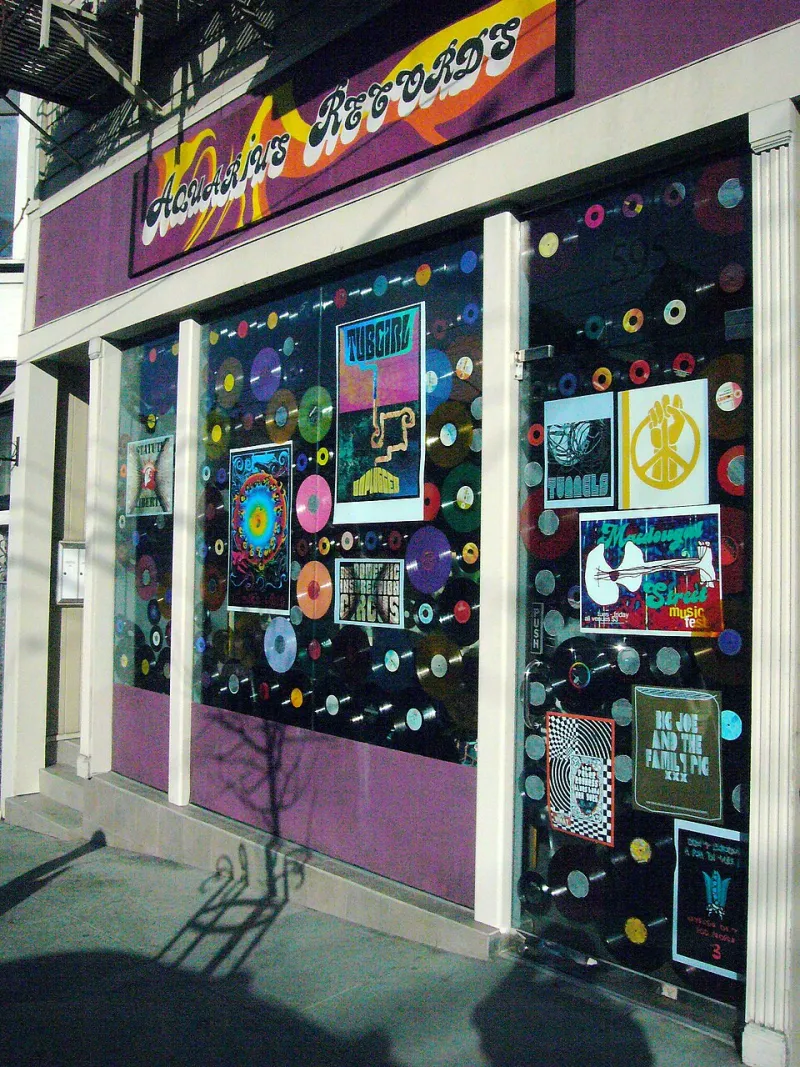
Photo: David Lytle, CC BY 2.0, via Wikimedia Commons
Walk into Groove Merchant in San Francisco on a Saturday afternoon and you'll immediately understand why streaming can't replicate this. A DJ from Oakland is flipping through a milk crate of soul 45s in the corner. A teenager — headphones around her neck, Sharpie-annotated want list in hand — is quizzing the owner about a specific Motown pressing. Two producers are arguing, lovingly, about whether a particular funk break hits harder on the original or the reissue. The store smells like old cardboard and possibility.
This isn't nostalgia. This is the new West Coast music scene, and it's happening in record shops.
From Retail to Cultural Real Estate
The numbers tell one story. Vinyl sales have climbed for 17 consecutive years according to the RIAA, with 2023 marking the format's strongest performance since the early 1990s. But the numbers miss the bigger shift happening on the ground, particularly across California, Oregon, and Washington, where independent record stores have quietly reinvented themselves as something far more significant than retail outlets.
They've become hubs — genuine gathering points where the creative community does the kind of cross-pollination that no algorithm can manufacture.
"We stopped thinking of ourselves as a store a while back," says the owner of Everyday Music in Portland, one of the Pacific Northwest's most beloved independent shops. "We're more like a community center that happens to sell records. The inventory is just the reason people show up the first time. What keeps them coming back is everything else."
That "everything else" looks different shop to shop, but the pattern is consistent up and down the coast. In-store listening sessions. DJ showcases in the back room. Producer meetups on Tuesday nights. Label reps dropping by with advance pressings. Zine swaps. Genre-specific listening clubs. These spaces have layered so many functions on top of the core retail experience that calling them record stores almost undersells what they've become.
The Curator Economy
At the center of all of it is the human element that streaming will never replicate: the buyer, the floor staff, the person who decides what's in the bins.
Curation is everything in a physical record store, and the best shops on the West Coast treat it like a craft. Amoeba Music, with its flagship on Hollywood Boulevard, employs a staff of buyers who are themselves working musicians, DJs, and collectors. Their selections don't just reflect what's popular — they actively shape what the local scene is listening to, what samples are getting flipped, what sounds are bubbling up.
"When we put something in a prominent spot, it moves," says one longtime Amoeba buyer who's worked the hip-hop and soul sections for over a decade. "And then you start hearing that record in DJ sets around the city two weeks later. There's a direct line between what we stock and what the local sound becomes."
Smaller shops operate with the same philosophy but on a hyper-local scale. Hifi Records in Seattle has developed a reputation for stocking deep Pacific Northwest regional pressings — local jazz from the '70s, obscure grunge-era 7-inches, Northwest funk that never got national distribution. For producers in the city, it's become an essential archive of regional identity.
The Economics of Staying Open
None of this comes cheap or easy. The economics of running an independent record store in 2024 are genuinely brutal. Rent in coastal California cities has made survival a constant negotiation. Wholesale costs have risen. Shipping has become unpredictable. And competing with the convenience of digital purchasing means that every in-store sale has to feel worth the trip.
The shops that are thriving have diversified aggressively. Many now host paid events — ticketed listening parties, release shows, DJ sets — that generate revenue independent of record sales. Some have leaned into consignment, letting local collectors sell through the shop and taking a cut. Others have built robust online presences, shipping rare finds to collectors worldwide while maintaining the physical shop as a community anchor.
"The internet didn't kill us, it actually helped," admits the co-owner of Off the Record in Long Beach. "We can sell a rare pressing to someone in Tokyo and use that margin to keep the lights on, which means we're still here for the local kid who comes in every week with twenty bucks."
There's also been a meaningful shift in who's shopping. The stereotype of the record collector as a middle-aged white guy haunting the jazz section has been thoroughly dismantled on the West Coast. Gen Z buyers are driving a significant portion of vinyl growth, drawn in partly by TikTok's unlikely role as a record store promotional machine — countless shops have gone viral through short videos of rare finds and in-store performances.
Where Discovery Actually Happens
Ask any working DJ or producer on the West Coast where they made their most important musical discoveries, and the answer is almost never a streaming platform. It's a record shop. Specifically, it's a record shop where someone behind the counter knew what they were looking for before they knew themselves.
That serendipity — the accidental find, the recommendation from someone who's been in the game for twenty years, the record you pull because the cover art is interesting and it turns out to change your entire direction — is irreplaceable. Algorithms optimize for what you already like. Record stores introduce you to what you didn't know you needed.
The West Coast's creative music community has recognized this, and the relationship between shops and artists has become increasingly symbiotic. Labels do exclusive pressings for specific stores. Artists do in-store acoustic sets the week of a release. Shops sponsor stage times at local festivals. The lines between venue, community space, and retail have blurred in the most productive ways possible.
Wax On
The vinyl renaissance is real, but framing it purely as a comeback misses what's actually happening. Record stores on the West Coast aren't surviving despite the streaming era — they're thriving because of what streaming can't offer. The tactile experience, the human connection, the genuine discovery, the sense of belonging to a local music culture with shared reference points.
In a landscape where music consumption has become increasingly passive and personalized, these shops represent something almost radical: a public space where taste is communal, discovery is physical, and the music scene is something you participate in rather than just consume.
The crates are full. The scene is live. Come find your record.