When the Algorithm Moves On: The Hard Truth About Building a Music Career After Your Moment
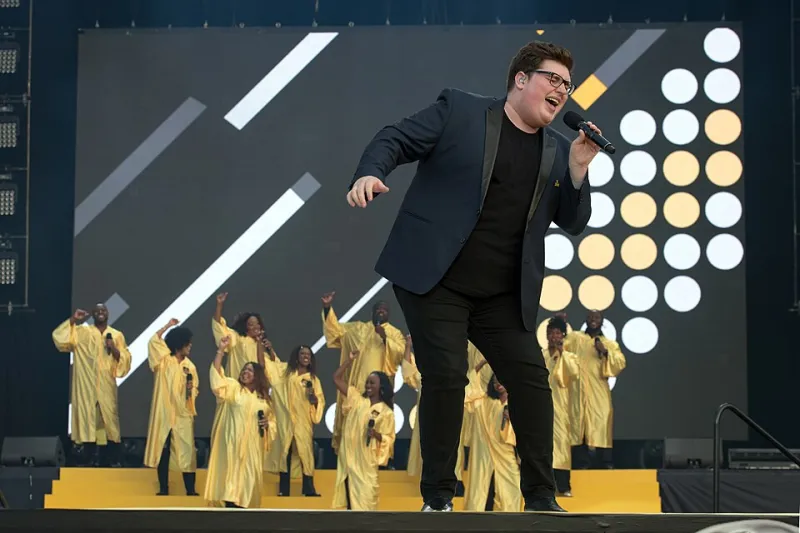
Photo: DoD News Features, Public domain, via Wikimedia Commons
Somewhere in Los Angeles right now, an artist is watching their Spotify streams plateau. Three months ago, a playlist placement sent their numbers through the roof. Press outlets ran profiles. Their follower count jumped. A manager slid into the DMs. For about six weeks, it felt like everything was finally clicking.
Then the algorithm found the next thing.
This is the story nobody puts in the press release. The West Coast music scene has produced more viral moments in the last five years than arguably any other region in the country — from SoundCloud rap waves out of the Bay to bedroom pop breakthroughs in Portland to hyperpop experiments in San Diego. And for every artist who rode a moment into a sustainable career, there are dozens more who are still trying to figure out what comes after the hype.
We talked to a handful of those artists. What they said was honest, a little uncomfortable, and worth hearing.
The Hype Cycle Is Real and It Is Ruthless
"I had a song blow up and I genuinely thought that was it — I'd made it," says one LA-based R&B singer who asked to remain anonymous. "Six months later I'm back to playing the same 200-capacity rooms I was playing before, except now I have the psychological weight of knowing what a bigger number feels like. That's its own kind of pressure."
The music industry has always had a boom-and-bust quality to it, but social media has compressed the timeline to something almost cruel. A TikTok sound can make an artist a household name in their genre for a week and then vanish from the cultural conversation just as fast. Streaming platforms surface new artists constantly, which means the window in which any single act occupies the spotlight has gotten brutally narrow.
For artists on the West Coast — a region that prides itself on innovation and frequently sets national trends — this creates a particular bind. The pressure to be perpetually new, perpetually buzzy, perpetually generating content is relentless. And it runs directly counter to what actually builds a lasting music career.
Content vs. Art: The Grind Nobody Warned You About
"They don't tell you that going viral means you now have to go viral again," says Marcus, a producer and rapper from Oakland who had a breakout moment in 2022. "Your new audience found you through one specific thing and they want that thing forever. But as an artist you're supposed to grow. Those two things are constantly in conflict."
The content treadmill is one of the most consistent complaints among emerging West Coast artists right now. The industry expectation — driven largely by social media platforms' own incentive structures — is a near-constant output of videos, posts, behind-the-scenes clips, and promotional content. For independent artists without label infrastructure, this means doing the creative work and the marketing work simultaneously, often at the expense of one or both.
"I spent six months making content instead of making music," says Dani, a singer-songwriter based in Seattle. "And at the end of it, my engagement was fine but I had nothing new to actually share. I'd been so busy selling the last project that I hadn't built the next one. That cycle will eat you alive if you let it."
The mental health dimension of this is significant and increasingly talked about in artist communities up and down the coast. The anxiety of watching metrics in real time — seeing a post underperform, watching a stream count stagnate — is a specific kind of psychological pressure that previous generations of musicians simply didn't face. There's a reason burnout is endemic among artists in their mid-twenties.
What Actually Builds a Career
The artists who are navigating this most successfully share a few common strategies, and none of them involve cracking the algorithm.
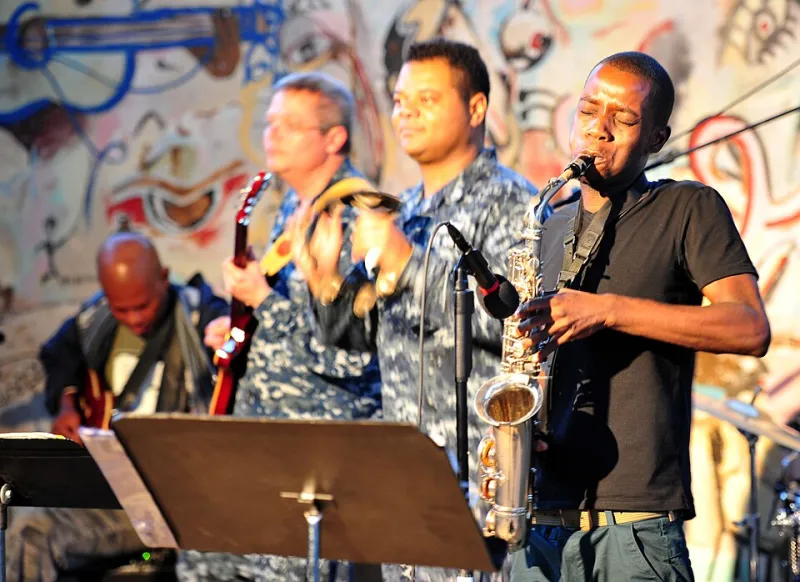
The first is ruthless prioritization of live performance. "The audience at your show is yours," Marcus says. "TikTok can take away your reach overnight. They can't take away the people who've seen you perform three times and bought a shirt. That's a real relationship." Multiple artists echoed this — the live show, the local scene, the physical presence in a community is the foundation that digital success can build on but can't replace.
The second is diversifying revenue and touchpoints early. Licensing, sync placements, teaching, producing for other artists — the West Coast artists who are building sustainable careers treat music as an ecosystem rather than a single revenue stream. It's less glamorous than a viral moment but it's what pays rent in March when the streams have settled.
The third — and maybe the most counterintuitive — is slowing down. "I released music on a schedule that was driven by anxiety, not by the work being ready," Dani admits. "When I started releasing less but making sure everything I put out was genuinely something I was proud of, my audience actually got more engaged, not less. People can tell when you're forcing it."
The Scene Sustains What the Algorithm Won't
There's something specific about the West Coast music ecosystem that's worth naming here: the scene itself is a survival mechanism. The interconnectedness of artists across genres — producers working with singers, rappers collaborating with live bands, DJs platforming emerging vocalists — creates a support structure that's genuinely protective against the volatility of internet attention.
"The Bay has always had this," says Marcus. "People look out. You get put on a bill, you get introduced to someone, you get a cosign from an established artist. That stuff doesn't trend on social media but it's what actually moves careers forward."
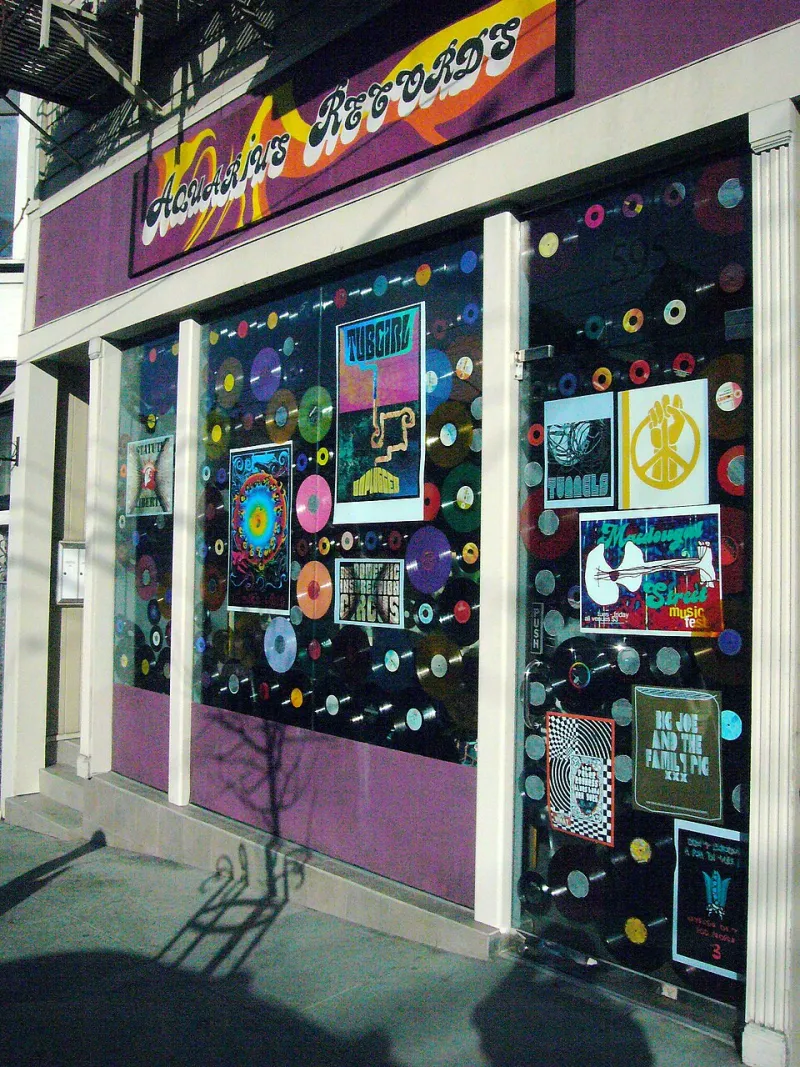
Record stores, independent venues, community radio stations, local blogs — the physical and semi-physical infrastructure of West Coast music culture provides something the algorithm structurally cannot: continuity. A relationship with a local scene outlasts any particular viral moment because it's built on human connection rather than engagement metrics.
The Long Game
None of this is a comfortable message in an industry that sells the dream of overnight success. Going viral is genuinely exciting, genuinely useful, and can open doors that would otherwise stay closed. But treating it as an endpoint rather than a starting point is where artists get into trouble.
The West Coast has always been good at reinvention — it's practically a regional trait. The artists who thrive here long-term are the ones who understand that their moment is a chapter, not the whole story. The hype cycle ends for everyone. What you build while the spotlight is on you determines what you have when it moves.
The algorithm will always find a new favorite. The question is whether you've built something real enough to survive that.
Keep making the work. The scene is still listening.